


Warriors Never Quit: Community Support Through Sports
- Ike Riley
- Nov 7, 2025
- 3 min read

Sports have a unique power to bring people together, build resilience, and create a sense of belonging. In communities around the world, sports serve as more than just games or competitions. They become a source of strength, hope, and unity. This post explores how sports help communities support one another, especially in challenging times, and why the spirit of never giving up is at the heart of this connection.

The Role of Sports in Building Community Spirit
Sports create a shared experience that crosses age, background, and social divides. When a community rallies behind a local team or athlete, it fosters a collective identity. This sense of belonging is crucial for mental and emotional well-being.
Shared Goals: Teams work toward common objectives, teaching cooperation and trust.
Community Pride: Successes on the field or court boost local morale.
Regular Gatherings: Games and practices offer consistent opportunities for social interaction.
For example, in many small towns, Friday night football games are more than just sports events. They are social hubs where neighbors meet, families bond, and local businesses thrive. This regular gathering strengthens the fabric of the community.
How Sports Encourage Resilience and Perseverance
The phrase "warriors never quit" perfectly captures the mindset sports instill. Athletes face setbacks, injuries, and losses, yet they keep pushing forward. This attitude inspires community members to adopt similar resilience in their own lives.
Overcoming Challenges: Sports teach that failure is part of growth.
Discipline and Commitment: Regular training builds habits that translate beyond sports.
Role Models: Local athletes who persevere become symbols of strength.
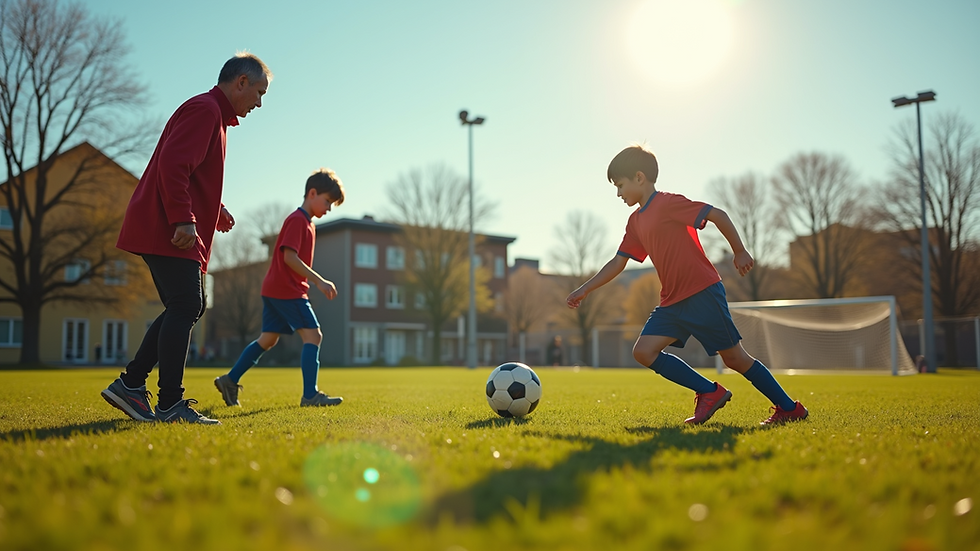
Take the story of a youth soccer team in a disadvantaged neighborhood. Despite limited resources and tough competition, the players’ dedication earned them a regional championship. Their journey motivated others in the community to pursue their goals despite obstacles.
Sports as a Platform for Social Support and Inclusion
Sports bring together people from diverse backgrounds, creating opportunities for inclusion and mutual support. They can break down barriers related to race, gender, and economic status.
Youth Engagement: Sports programs keep young people active and focused.
Mentorship: Coaches and older players guide younger athletes.
Community Events: Tournaments and matches encourage interaction among different groups.
For instance, a community basketball league that welcomes players of all skill levels and backgrounds can foster friendships and understanding. This inclusivity helps reduce social isolation and builds a supportive network.
Economic and Health Benefits of Community Sports
Beyond social and emotional support, sports contribute to the economic vitality and health of communities.
Local Business Boost: Sporting events attract visitors who spend money at nearby shops and restaurants.
Health Improvements: Regular physical activity reduces risks of chronic diseases.
Youth Development: Sports participation correlates with better academic performance and life skills.
A city that invests in public sports facilities often sees a return in community well-being and economic activity. For example, a renovated community park with sports fields can become a hub for healthy living and local commerce.
How to Support Community Sports Initiatives
Supporting sports in your community can take many forms. Here are practical ways to get involved:
Volunteer: Help coach, organize events, or maintain facilities.
Attend Games: Show up to cheer local teams and create a lively atmosphere.
Donate Equipment: Provide gear to teams or programs that lack resources.
Advocate: Encourage local leaders to fund and support sports programs.
Even small actions can make a big difference. When community members invest time and energy, sports programs thrive and continue to bring people together.
Stories of Communities Transformed by Sports
Several communities have seen remarkable changes thanks to sports programs. One example is a neighborhood that faced high youth crime rates. After launching a community soccer league, crime dropped significantly as young people found positive outlets and mentors.
Another story comes from a rural town where a new basketball court became a gathering place. The court not only improved physical health but also sparked new friendships and community projects.
These examples show how sports can be a catalyst for positive change, creating a ripple effect that benefits everyone.
The Lasting Impact of the Warrior Spirit
The idea that warriors never quit applies beyond sports. It reflects a mindset of resilience, community, and hope. When communities embrace this spirit through sports, they build stronger bonds and create environments where everyone can thrive.
Supporting sports is supporting the heart of the community. It means investing in people’s well-being, fostering connections, and encouraging perseverance.
Sports unite communities by offering more than competition. They provide a space where people come together, support each other, and grow stronger. The warrior spirit lives in every game played and every cheer from the sidelines. By embracing this spirit, communities can face challenges with courage and never quit.
If you want to help your community thrive, consider getting involved in local sports. Your support can make a lasting difference.

Comments